
Stop drowning in others’ feelings. Choose calm, clarity, and emotional freedom.
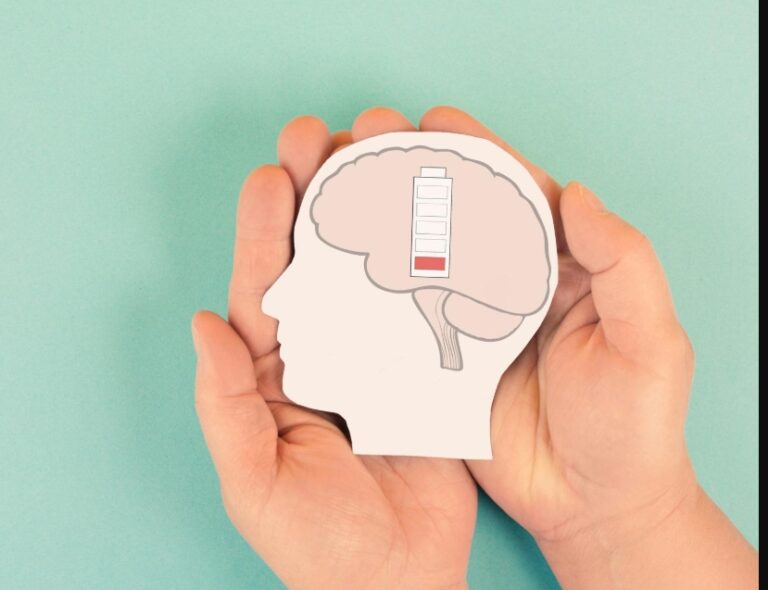
Have you ever felt like you’re drowning in a sea of other people’s emotions, with no lifeline in sight? You’re not alone. Many of us struggle with the weight of others’ feelings, often at the expense of our own well-being. But what if you could break free from this cycle of emotional exhaustion and find a sense of calm and confidence in the midst of chaos?
For years, the concept of being an “empath” has been touted as a way to describe individuals who are highly attuned to the emotions of those around them. However, this label can often feel like a double-edged sword. On the one hand, it can be a relief to finally have a name for the overwhelming sense of emotional responsibility that we feel. On the other hand, it can also feel like a life sentence, condemning us to a lifetime of emotional exhaustion and burnout.
Understanding the Root of Emotional Exhaustion
So, what’s really going on here? Why do we feel so drained by other people’s emotions, and how can we break free from this cycle? The answer lies in our brain’s response to stress and emotions. When we’re exposed to someone else’s emotional pain, our brain can go into “survival mode,” triggering a response that’s meant to help us cope with the perceived threat. This response is often referred to as “appeasing,” and it’s a common pattern that many of us have learned from a young age.
Appeasing is a coping mechanism that helps us avoid conflict and maintain social connections. However, it can also lead to emotional exhaustion, as we prioritize others’ emotions over our own. According to a study by the American Psychological Association, 64% of adults experience stress-related fatigue, which can have serious consequences for our mental and physical health. By understanding the root of our emotional exhaustion, we can begin to develop strategies for managing it.
Breaking Free from Emotional Exhaustion
So, how can we break free from this cycle of emotional exhaustion? The first step is to recognize the patterns of appeasing that are holding us back. This requires a high degree of self-awareness, as well as a willingness to challenge our deeply ingrained habits. Here are a few strategies that can help:
- Practice self-reflection: Take time to reflect on your emotions and needs, and prioritize them above others’ expectations.
- Set healthy boundaries: Learn to say “no” without guilt or apology, and establish clear limits with others.
- Cultivate emotional regulation: Develop skills for managing your emotions, such as mindfulness, deep breathing, or physical exercise.
By implementing these strategies, we can begin to break free from the cycle of emotional exhaustion and find a sense of calm and confidence in the midst of chaos.
Key Takeaways
Here are three key takeaways to keep in mind:
- Emotional exhaustion is not a personal failing: It’s a common experience that many people face, and it’s often a result of our brain’s response to stress and emotions.
- Appeasing is a coping mechanism: While it may help us avoid conflict and maintain social connections, it can also lead to emotional exhaustion and burnout.
- Breaking free requires self-awareness and intention: By recognizing our patterns of appeasing and developing strategies for managing our emotions, we can begin to break free from the cycle of emotional exhaustion and find a sense of calm and confidence.
Now that we’ve explored the root of emotional exhaustion and strategies for breaking free, it’s time to take action. Here are three clear steps you can take today:
- Practice self-reflection: Take 10 minutes each day to reflect on your emotions and needs, and prioritize them above others’ expectations.
- Set a healthy boundary: Identify one area where you can set a healthy boundary, and take action to establish a clear limit with others.
- Cultivate emotional regulation: Choose one skill for managing your emotions, such as mindfulness or deep breathing, and practice it for 10 minutes each day.
Frequently Asked Questions
Here are three frequently asked questions about emotional exhaustion:
Q: What’s the difference between being an empath and experiencing emotional exhaustion?
A: Being an empath refers to a person’s ability to sense and understand the emotions of others. Emotional exhaustion, on the other hand, refers to the state of feeling drained and depleted by others’ emotions.
Q: How can I prioritize my own emotions and needs without feeling guilty or selfish?
A: Prioritizing your own emotions and needs is essential for maintaining your mental and physical health. By recognizing that your needs are valid and worthy of attention, you can begin to set healthy boundaries and prioritize your own well-being.
Q: What if I’m not sure where to start or how to break free from emotional exhaustion?
A: Start by taking small steps, such as practicing self-reflection or setting a healthy boundary. You can also seek support from a therapist or counselor, or join a community of like-minded individuals who are working to break free from emotional exhaustion.