Break free from emotional exhaustion—choose empowerment instead.
What if you could break free from the exhaustion of constantly meeting other people’s needs and emotions, and instead, find a sense of empowerment and freedom in your relationships?
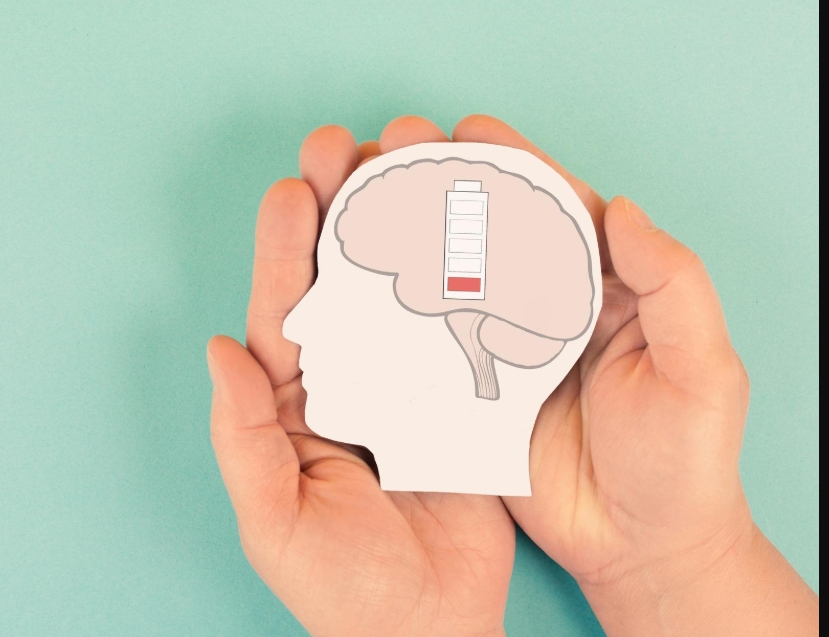
For many of us, being highly attuned to the feelings and emotions of those around us can be a double-edged sword. On the one hand, it allows us to be compassionate and supportive friends, family members, and partners. On the other hand, it can lead to emotional burnout, feelings of resentment, and a loss of our own identity.
Understanding the Concept of Appeasing
So, what drives this pattern of behavior? The answer lies in the concept of appeasing, a survival response that gets activated when we feel emotionally or physically unsafe. When we learn to prioritize other people’s emotions and needs over our own, we may feel a sense of temporary safety and belonging, but at a great cost to our own well-being.
According to a study published in the Journal of Social and Clinical Psychology, approximately 15% of the population identifies as highly empathetic, with a greater proportion of women than men reporting high levels of empathy. This can be both a blessing and a curse, as highly empathetic individuals are more likely to experience emotional exhaustion and burnout.
The Cost of Appeasing
When we prioritize other people’s emotions and needs over our own, we may experience a range of negative consequences, including emotional exhaustion, resentment, and a loss of our own identity. We may also struggle to set healthy boundaries, leading to feelings of overwhelm and burnout.
So, how can we break free from this pattern of behavior and find a healthier, more balanced approach to our relationships? The answer lies in developing greater self-awareness, learning to recognize and manage our own emotions, and setting clear boundaries with others.
Practical Strategies for Breaking Free
Here are some practical strategies for breaking free from the exhaustion of appeasing:
- Practice self-reflection: Take time to tune into your own emotions and needs, and identify areas where you may be prioritizing others over yourself.
- Set clear boundaries: Learn to say no without feeling guilty or responsible for other people’s emotions, and prioritize your own needs and desires.
- Develop emotional regulation skills: Practice mindfulness, meditation, or deep breathing exercises to help manage your own emotions and reduce stress.
By implementing these strategies, you can begin to break free from the exhaustion of appeasing and develop a more balanced, healthy approach to your relationships.
Key Takeaways
Here are three key takeaways to keep in mind:
- Recognizing the pattern of appeasing is the first step to breaking free from its negative consequences.
- Developing self-awareness and learning to manage your own emotions is crucial for setting healthy boundaries and prioritizing your own needs.
- Practicing emotional regulation skills, such as mindfulness or meditation, can help reduce stress and increase feelings of well-being.
Now, it’s time to take action and start making positive changes in your life. Here are three clear action steps to get you started:
- Take a few minutes each day to practice self-reflection and tune into your own emotions and needs.
- Set a clear boundary with someone in your life, whether it’s a family member, friend, or colleague.
- Try a new emotional regulation skill, such as mindfulness or meditation, and commit to practicing it regularly.
Frequently Asked Questions
Here are three frequently asked questions about breaking free from the exhaustion of appeasing:
Q: How do I know if I’m an empath or just a highly sensitive person?
A: While there’s no clear distinction between the two, empaths tend to be more intensely attuned to other people’s emotions, while highly sensitive people may be more sensitive to their environment and emotional stimuli in general.
Q: Can I still be a compassionate and supportive friend or partner if I’m not an empath?
A: Absolutely! Being compassionate and supportive doesn’t require being an empath. You can still be a great friend or partner by being present, listening actively, and showing empathy without taking on other people’s emotions.
Q: How long does it take to break free from the pattern of appeasing?
A: The journey to breaking free from appeasing is unique to each individual and can take time. With self-awareness, practice, and patience, you can start to notice positive changes in your relationships and overall well-being within a few weeks or months.