
“Peace Beyond Pain: Thriving with Chronic Illness”
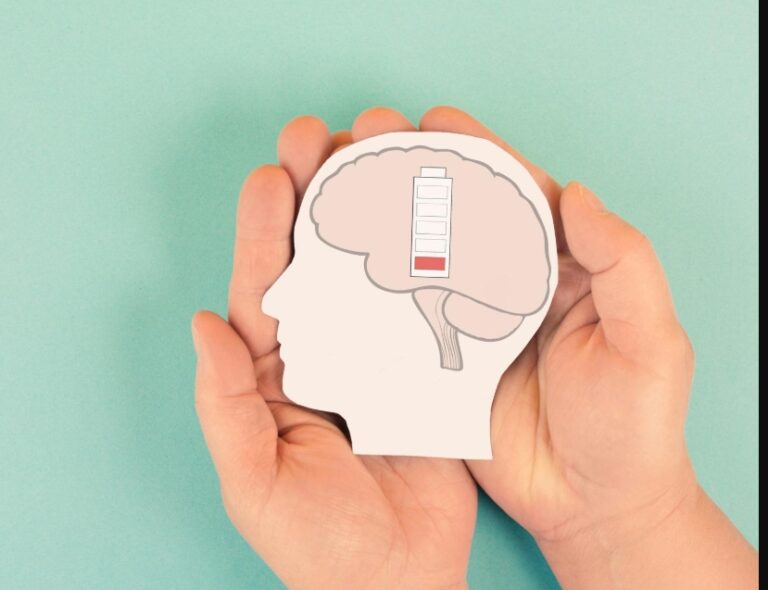
What if you could find a way to navigate the challenges of chronic illness with greater ease and confidence, even when your body seems to be working against you? For millions of people around the world, living with a chronic illness is a harsh reality that can be both physically and emotionally draining. However, there are tools that can help you not only cope with your condition but also find a sense of peace and well-being amidst the chaos. In this article, we’ll explore two powerful tools that can help you achieve this: mindfulness and hypnosis.
Understanding Chronic Illness
Chronic illnesses, such as diabetes, arthritis, and chronic pain, can have a profound impact on a person’s quality of life. According to the Centers for Disease Control and Prevention (CDC), approximately 60% of adults in the United States have at least one chronic condition, and this number is expected to continue to rise. Living with a chronic illness can be overwhelming, with symptoms that can vary in severity from day to day, making it difficult to plan and engage in activities.
Mindfulness: A Path to Greater Awareness
Mindfulness is the practice of being present in the moment, paying attention to your thoughts, feelings, and sensations without judgment. This powerful tool can help you develop a greater awareness of your body and mind, allowing you to better navigate the challenges of chronic illness. By practicing mindfulness, you can learn to recognize the early warning signs of a flare-up, taking steps to prevent or minimize its impact. Additionally, mindfulness can help you manage stress and anxiety, which can exacerbate symptoms and make it more difficult to manage your condition.
Hypnosis: A Tool for Deep Relaxation
Hypnosis is a state of deep relaxation and focused attention that can help you access your subconscious mind, making it easier to make positive changes in your thoughts and behaviors. When used in conjunction with mindfulness, hypnosis can be a powerful tool for managing chronic illness. By inducing a state of deep relaxation, hypnosis can help you reduce pain and discomfort, improve your mood, and enhance your overall sense of well-being. Furthermore, hypnosis can help you develop a more positive mindset, focusing on what you can do rather than what you can’t, and cultivating a sense of hope and resilience.
Practical Tips for Using Mindfulness and Hypnosis
So, how can you start using mindfulness and hypnosis to navigate the challenges of chronic illness? Here are a few practical tips to get you started:
- Start small: Begin with short periods of mindfulness practice, such as 5-10 minutes a day, and gradually increase as you become more comfortable with the practice.
- Find a quiet space: Identify a quiet, comfortable space where you can practice mindfulness and hypnosis without distractions.
- Seek guidance: Consider working with a healthcare professional or certified hypnotherapist to develop a personalized plan for using mindfulness and hypnosis to manage your chronic illness.
According to a study published in the Journal of the American Medical Association (JAMA), mindfulness-based stress reduction programs have been shown to reduce symptoms of anxiety and depression in patients with chronic illness by up to 30%. This statistic highlights the potential benefits of mindfulness and hypnosis in managing chronic illness and improving overall quality of life.
Key Takeaways
Here are three key takeaways from this article:
- Mindfulness and hypnosis can be powerful tools for navigating the challenges of chronic illness, helping you develop a greater awareness of your body and mind, and cultivate a sense of peace and well-being.
- By practicing mindfulness and hypnosis, you can learn to recognize the early warning signs of a flare-up, manage stress and anxiety, and reduce pain and discomfort.
- With the right guidance and support, you can develop a personalized plan for using mindfulness and hypnosis to manage your chronic illness and improve your overall quality of life.
Now that you’ve learned about the benefits of mindfulness and hypnosis for managing chronic illness, here are three clear action steps you can take:
1. Start practicing mindfulness today, even if it’s just for a few minutes a day.
2. Seek out guidance from a healthcare professional or certified hypnotherapist to develop a personalized plan for using mindfulness and hypnosis.
3. Be patient and compassionate with yourself as you navigate the challenges of chronic illness, remembering that it’s okay to take things one step at a time.
Frequently Asked Questions
Here are three frequently asked questions about mindfulness and hypnosis for chronic illness:
1. Q: Is mindfulness and hypnosis only for people with severe chronic illness?
A: No, mindfulness and hypnosis can be beneficial for anyone living with a chronic illness, regardless of the severity of their symptoms.
2. Q: Do I need to have a background in meditation or hypnosis to get started?
A: No, you don’t need to have any prior experience with meditation or hypnosis to get started. With the right guidance and support, you can learn to use these tools to manage your chronic illness.
3. Q: Can mindfulness and hypnosis cure my chronic illness?
A: While mindfulness and hypnosis can be powerful tools for managing chronic illness, they are not a cure. However, they can help you develop the skills and strategies you need to navigate the challenges of your condition and improve your overall quality of life.