
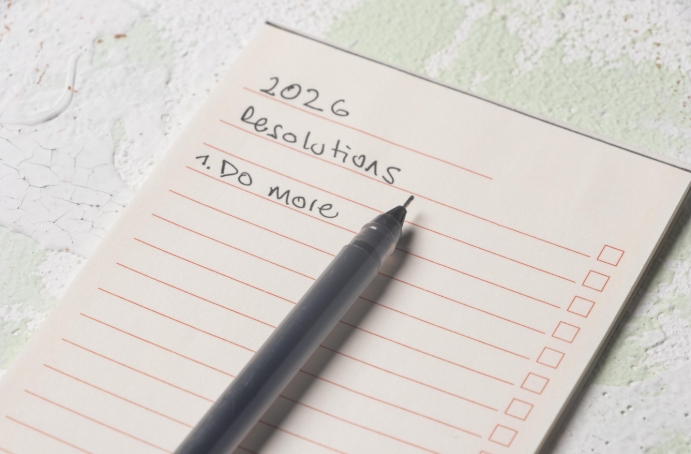
What if you could distill the lessons of an entire year into a single, powerful review, and use that insight to propel yourself towards an even better future?
What if you could distill the lessons of an entire year into a single, powerful review, and use that insight to propel yourself towards an even better future?
This is exactly what we’ll explore in this article, as we delve into the art of conducting an annual review, and uncover the key takeaways that can help you grow, learn, and thrive in all areas of your life.
Why Conduct an Annual Review?
Conducting an annual review is a powerful way to reflect on your accomplishments, identify areas for improvement, and set a clear direction for the year ahead. By taking the time to review your experiences, successes, and challenges, you can gain a deeper understanding of what’s working and what’s not, and make intentional decisions about how to allocate your time, energy, and resources.
According to a recent study, 80% of people who set goals and review their progress regularly are more likely to achieve their objectives, compared to those who don’t. This highlights the importance of regular review and reflection in achieving success.
How to Conduct an Annual Review
To conduct an annual review, start by answering three key questions:
- What went well this year?
- What didn’t go so well this year?
- What did I learn?
Be honest and thorough in your assessment, and take the time to celebrate your successes and identify areas for improvement. Consider using a journal or spreadsheet to track your progress and reflect on your experiences.
Practical Advice for a Successful Annual Review
In addition to answering the three key questions, here are some practical tips to help you get the most out of your annual review:
- Set aside dedicated time for your review, free from distractions and interruptions
- Use a structured format, such as a template or worksheet, to guide your reflection
- Be kind and compassionate with yourself, and avoid self-criticism or judgment
- Focus on progress, not perfection, and celebrate small wins along the way
Key Takeaways
Based on our exploration of the annual review process, here are three key takeaways to keep in mind:
- Reflection is key: Taking the time to reflect on your experiences and progress is essential for growth and improvement
- Be intentional: Use your annual review to set clear goals and priorities, and make intentional decisions about how to allocate your time and energy
- Celebrate progress: Acknowledge and celebrate your successes, no matter how small they may seem, and use this momentum to propel yourself forward
Action Steps
To get started with your own annual review, take the following three action steps:
- Schedule a dedicated block of time for your review, and commit to completing it within the next week
- Gather any necessary materials, such as a journal or spreadsheet, and have them ready to use during your review
- Start by answering the three key questions, and see where the process takes you – don’t be afraid to explore new insights and discoveries along the way
Frequently Asked Questions
Here are three frequently asked questions about the annual review process:
- Q: How often should I conduct an annual review?
- A: We recommend conducting an annual review at the same time each year, such as on your birthday or at the start of a new calendar year
- Q: What if I don’t have time for a full annual review?
- A: Even a brief review can be beneficial – try setting aside just 30 minutes to reflect on your progress and set intentions for the year ahead
- Q: Can I use an annual review for personal or professional goals?
- A: Yes, an annual review can be used for both personal and professional goals, and can be tailored to suit your specific needs and objectives